
🤖
Confession
2024.09.07
⏱ 49 min read
Confessions of a BrsE
V
BrSE Team
Vareal Vietnam
Introduction
With the increasing foreign investment in Vietnam, especially from Japanese companies in the IT sector, the Bridge Software Engineer (BrSE) role has emerged. This job has attracted some interest due to its relatively high salary and interesting work environment. However, it is also a challenging job requiring significant effort to excel. Are you interested in a BrSE position? Are you looking for a career path in the IT industry? Or have you simply set your sights on becoming a BrSE and need more information about this role? Let’s explore this together in this article!
BrSE can be understood as either a Bridge Software Engineer or a Bridge System Engineer. I prefer the latter, as it requires a BrSE to be both a System Engineer and a Bridge Engineer.
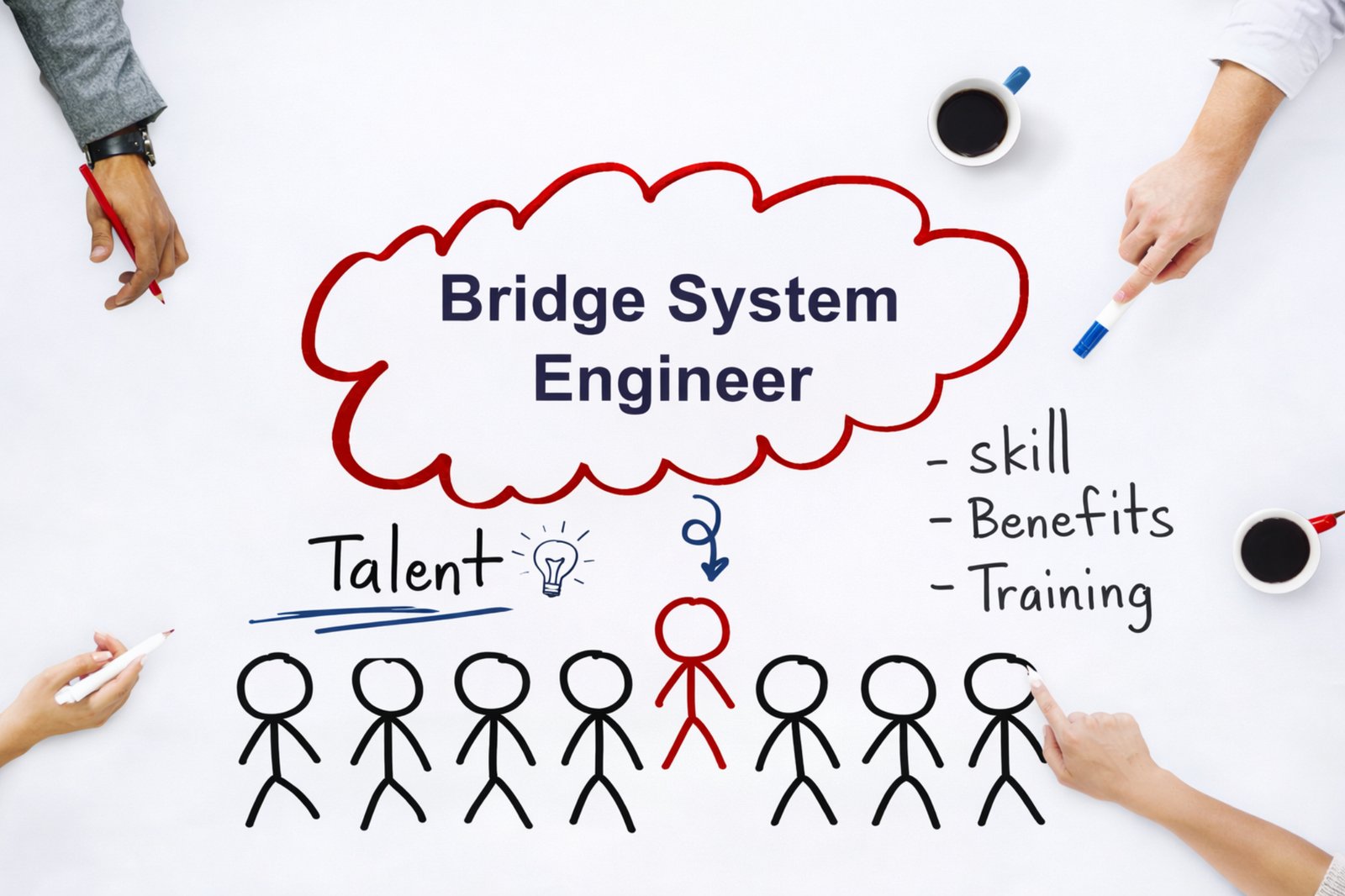
1. Fulfill the role of a System Engineer.
As a System Engineer, you must understand the overall system, starting from the highest level—the system’s purpose—down to the specifications of the main functions and their relationships.
First, why do I consider understanding the system’s purpose so important? The success of a system or project depends on whether it meets the client’s system development goals. As a bridge engineer, to determine if the goals are achieved, we can look for answers to the following questions:
Does the client’s work efficiency improve when using the system?
Is it a reliable, convenient system that benefits the client?
Or does it represent the core values that any client would strive for?
Furthermore, as a System Engineer, to build a system that meets the client’s business objectives, you always need a holistic view of the system. You are responsible for communicating the system specifications to your team members. During development, you might not remember every detail of the specifications – that’s okay, there are specifications documents, Q&A materials, etc. – but you need to grasp the overall picture, including the main functions and their relationships, to ensure the system stays on track with its goals. It could be said that the work of a BrSE is somewhat similar to that of a Product Owner (PO), right?
You also need to understand the overall project situation and the team members, not only regarding progress but also how to motivate them.
2. Fulfilling the role of a Bridge
Furthermore, connecting and transmitting information between parties is also a crucial role of a BrSE. First and foremost, you must be a reliable bridge, ensuring accurate communication between the Vietnamese development team and the Japanese PMs and clients. However, in reality, information transmission doesn’t always go smoothly. Disagreements are inevitable during the work process, and these disagreements help us understand each other better, working towards the common goal of perfecting the product to the highest level. These disagreements may stem from cultural differences between the two sides, or from the perspectives and roles of each party. It is at such times that BrSEs need to utilize their skill, flexibility, and subtlety to ensure effective communication and information transmission. For example, if you’ve worked extensively with Japanese clients, you’re certainly familiar with Quality Control Contracts (QCD). This is considered a tool for measuring and managing product and service quality, where demanding Japanese customers always require products to have Q (Quality), C (Cost), and D (Delivery). However, the development team has its own characteristics and limitations. Balancing the requirements and desires of both sides is truly a challenge.
On the other hand, “空気を読む” (to speak with air) is one of the characteristics of Japanese people. This word reflects their “indirect” communication style. They want the other person to understand but don’t state their intentions directly, leaving the other person to ponder and understand the hidden meaning in the statement. This is a significant obstacle for many Japanese language learners in general, and for those of us working as BrSEs in particular. You hear one thing, but you absolutely must understand ten. That’s why we’re called “bridges,” isn’t it? You need to practice reading situations and frequently ask questions to confirm information. Customers will be more satisfied if you think things through and offer suitable suggestions, along with an analysis of pros and cons, so they can make an informed choice, instead of asking for their guidance.
3. Work with a sense of responsibility.
Another important point is that Japanese clients highly value trustworthiness. Once you’ve built trust with them, the work will be much smoother. How can you gain their trust? There’s no single correct answer to this question. But based on my personal experience, it’s probably “Responsibility.” Because I believe “Attitude is more important than skill.”
Initially, you might not be technically proficient, unsure how to propose specifications, have limited Japanese communication skills, or your team’s work efficiency might not be high, but you can still gain the client’s continued trust and cooperation if you demonstrate a continuous effort to improve yourself and your team. This is shown by reporting incidents or delays along with solutions, carefully preparing documents, sending meeting summaries to the client before each meeting, and responding to client questions promptly, even outside of working hours if necessary. For questions you don’t have an immediate answer to, simply tell the customer that you’ve received the information and will check back with them. Before holidays or when you’re away, notify the customer in advance and arrange for a replacement if possible. We’re just trying to tell you that while hard skills (technical Japanese) are important, soft skills (flexible problem-solving skills, responsibility) contribute just as much to your success at work. Do you agree?
4. Teamwork
Ultimately, one hand cannot clap alone. As BrSEs, we can’t make a project succeed without the seamless collaboration of our team. Truly care about your team members, solve their problems as if they were your own. Always ensure that team members meet the requirements of the company, the project, and the client, while also guaranteeing their legitimate rights. You can play the role of an older brother, an older sister, or simply a friend to empathize and share the thoughts of your teammates; this is undoubtedly a valuable experience and a way to connect with them. The way you do a small thing is the way you do everything in life. The way you treat your teammates is the way you interact with and support the project to success. “Do what you love – Love what you do” – isn’t that what we often hear? If you want to work in a dynamic environment that respects personal development and values creativity, your teammates should too. Be a small but influential factor in creating such an ideal environment. Even in system specification requirements, let them suggest the features they think are most suitable; listen to and analyze them together. Also, pay attention to creating opportunities and challenges for them to develop themselves to the best of their abilities through each project you work on together.
In summary
In short, being a BrSE is a demanding job; do whatever you deem necessary to help the project succeed and ensure your team and clients have the best working conditions. Doing so will give you the key to success in your career.
Our BrSE team always welcomes you to join.
Author: BrSE Team
V
BrSE Team
Vareal Vietnam

VAREAL Vietnam
AI-first software company — building intelligent solutions with AI at the core.
MST: 0108704322 — Hà Nội