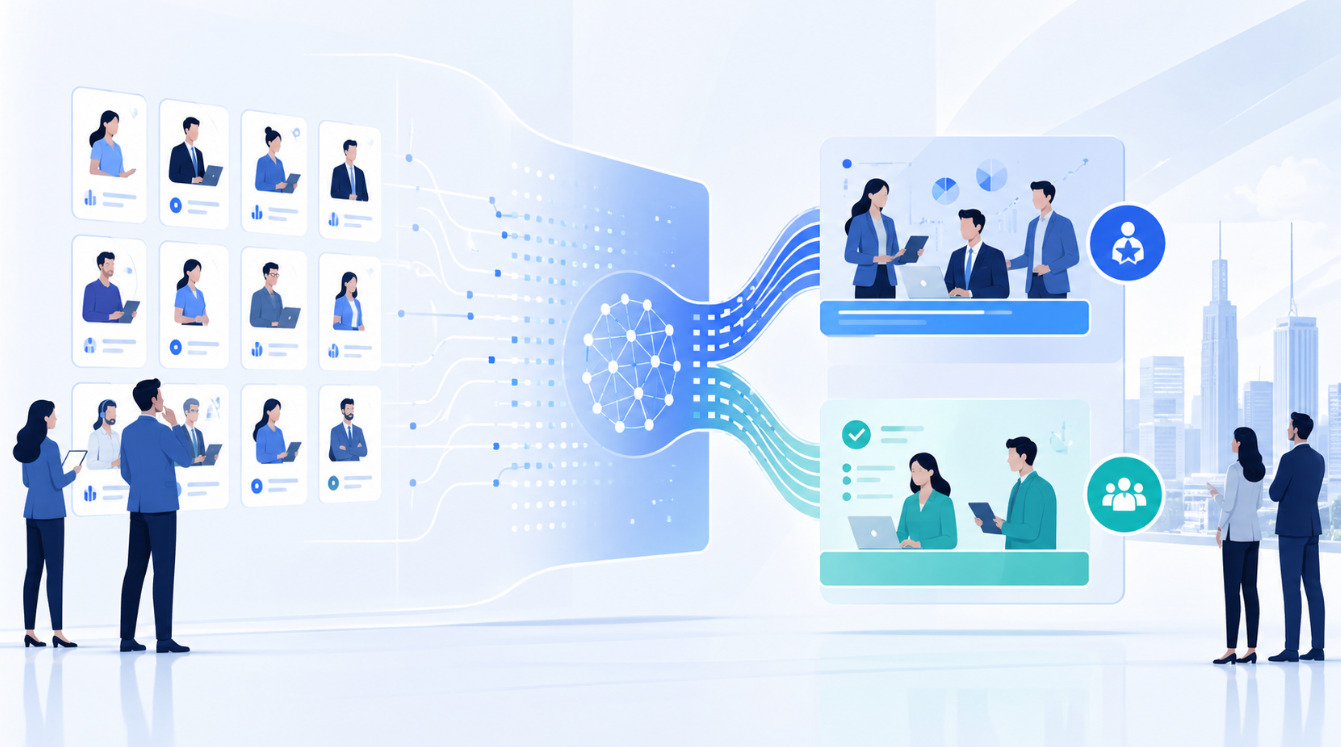
By 2027, I think many companies will compress into just two major groups:
1. People who think, design, decide, and coordinate
(BA / SA / PM / Scrum / Product capabilities blended together)
2. People who build the product
(code / test / automation / deployment / technical operations)
And even the “builders” will not stay narrowly separated.
One person will increasingly be expected to:
Code
Test
Deploy
Debug
And use AI as leverage
Outsourcing companies in Vietnam will likely get hit first.
Because too many of them are selling exactly the thing AI is devaluing fastest:
Headcount
Execution
Manpower
Product companies are not much safer.
Once smaller teams can still build and run products effectively, a very cold question will show up:
“Why are we still carrying the old-sized organization?”
And it will not stop at tech.
HR, legal, accounting, internal operations, paperwork, reporting — all of these functions will be reviewed much more aggressively if most of the work is:
By 2027, I think companies will care less about titles.
They will ask much more practical questions:
Can this person carry real work?
Can they move from problem to solution?
Can they use AI to multiply output?
Can they produce something real?
Titles will matter less. Real workload-carrying ability will matter much more.
So no — I do not think 2027 will simply be the year AI “takes a few jobs.”
I think it may be the year many companies are forced to admit that they have been paying for too many roles that are no longer worth what they used to be.
The people who will still do well will not be the ones with the nicest titles.
They will be the ones who are: